
Blog
We’re here to connect, collaborate, and support your packaging journey. Let’s talk and build smarter, sustainable solutions together.
Single Wall Paper Cups vs Double Wall Cups: Key Differences for Drink Temperature and Cost
Choosing between single wall paper cups and double wall cups looks simple at first, but the decision affects beverage temperature, user comfort, packaging cost, and brand consistency. In hot drink service, the cup is not only a container. It shapes handling experience, influences repeat orders, and affects whether a packaging budget stays efficient across volume purchases.
That is why single wall paper cups remain a practical option in many supply programs, while double wall formats serve a different purpose. The right choice depends on drink temperature, holding time, sleeve use, and the level of insulation expected in cafés, takeaway counters, retail chains, and foodservice operations.
Understanding the structural difference
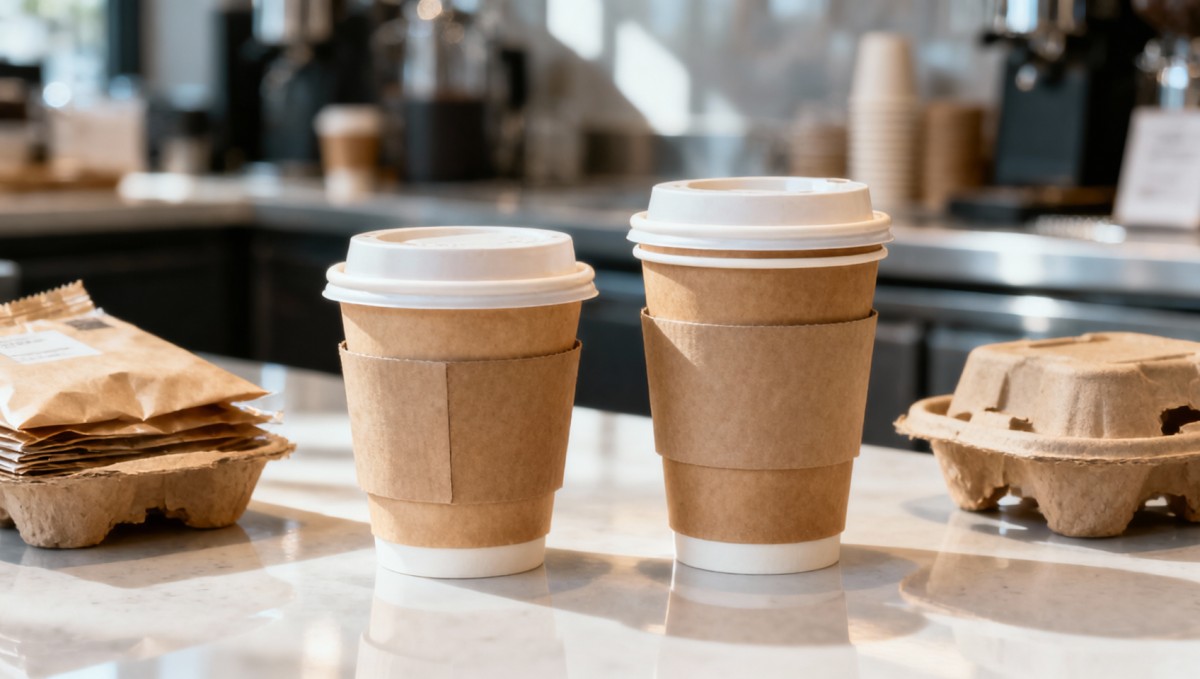
At the material level, single wall paper cups use one paperboard wall with a food-safe inner coating. They are lighter, simpler in construction, and widely used for both hot and cold beverages.
Double wall cups add a second outer paper layer. That extra layer creates an insulating air gap, helping reduce heat transfer from the beverage to the hand.
This difference sounds minor, yet it changes how the cup performs in service. A single wall structure often needs a sleeve for very hot drinks. A double wall format may not.
For packaging buyers, this is the first practical line of comparison: material thickness alone is not the full issue. The real question is how the cup behaves during actual use.
Why temperature performance matters in packaging decisions
Hot beverage packaging is judged quickly. If the cup feels too hot, the drinking experience starts badly. If the drink cools too fast, product quality feels inconsistent.
Single wall paper cups can handle hot drinks well in many everyday settings. Coffee, tea, and other beverages served for immediate consumption often work perfectly with this format.
The limitation appears when drink temperature is high and holding time is longer. Delivery, takeaway transport, and larger cup sizes increase the importance of insulation.
Double wall cups usually retain heat more effectively and protect hands better. They are often preferred for premium coffee service, busy commuter locations, and operations where customers carry drinks for longer periods.
From an industry perspective, this is why the conversation around single wall paper cups is not about whether they are good or bad. It is about fit for purpose.
Heat retention versus handling comfort
Drink temperature retention and handling comfort are related, but they are not identical. A cup may keep a drink warm enough while still feeling uncomfortable to hold.
Single wall paper cups perform well when beverages are consumed soon after preparation. They also work better when sleeves, cup carriers, or pickup trays are already part of service flow.
Double wall cups reduce the need for extra handling accessories. In some operations, that can simplify service despite the higher cup price.
A closer look at cost beyond the unit price
Unit cost matters, but it rarely tells the whole story. Single wall paper cups are usually less expensive per piece, which makes them attractive for high-volume purchasing.
That lower price can improve margin control, especially in programs with multiple cup sizes, seasonal demand shifts, or price-sensitive retail channels.
Still, the total packaging cost should include more than the cup alone. Sleeves, storage space, packing efficiency, freight, printing complexity, and service speed all affect the final economics.
In many cases, single wall paper cups remain the more cost-efficient solution because they support scale. In other cases, double wall cups offset their higher purchase price by removing the need for separate sleeves.
Where each cup type works best
Application context should guide specification. Cup performance is never evaluated in isolation from the drink menu and service model.
Common uses for single wall paper cups
- Coffee shops serving standard hot drinks for quick pickup.
- Offices, events, and institutional catering with controlled serving conditions.
- Cold beverages, where insulation against heat is less critical.
- Private label programs aiming for strong cost discipline.
Common uses for double wall cups
- Premium cafés with higher drink temperatures and larger sizes.
- Transport-heavy takeaway channels.
- Locations where sleeve use slows service or adds handling steps.
- Brand programs focused on a more substantial cup feel.
This is where single wall paper cups continue to hold a strong position. They cover a broad range of daily packaging needs without adding unnecessary material cost.
What buyers should check before selecting a format
A good decision starts with a few operational questions rather than a general preference for one cup style.
- What beverages are being served, and at what temperature?
- How long is the typical time between preparation and consumption?
- Will customers hold the cup directly for several minutes?
- Are sleeves already available in the packaging system?
- Does the brand need a premium feel, or is speed and cost the main priority?
- How important are pallet efficiency and export logistics?
These questions help translate product features into commercial decisions. For many beverage programs, single wall paper cups are the right answer once the full service environment is considered.
Supply reliability matters as much as cup design
Cup selection is also a sourcing decision. Consistency in paper quality, coating performance, print accuracy, and production control affects the final result as much as wall structure.
For importers and brand owners, dependable supply from Southeast Asia can support better planning and cost stability. That is especially relevant when programs require OEM development, private label printing, or export coordination.
XG Paper Manufacturing Sdn. Bhd., based in Malaysia, operates in this part of the packaging value chain by focusing on reliable manufacturing, consistent product quality, competitive pricing, and professional export support.
In practice, that matters because even well-specified single wall paper cups can underperform if production standards vary between batches. Stable manufacturing is part of cost control.
Making the choice with a clearer framework
Single wall paper cups are usually the stronger choice when the goal is broad applicability, lower unit cost, and efficient supply for standard beverage service. They remain one of the most versatile formats in disposable paper packaging.
Double wall cups make more sense when insulation, direct hand comfort, and a more premium presentation justify the added expense. Neither format is universally better.
A useful next step is to review beverage temperatures, cup sizes, expected holding time, and whether sleeves are part of the service model. Then compare landed cost, not just piece price.
When those factors are mapped clearly, the decision between single wall paper cups and double wall cups becomes less about assumptions and more about operational fit, customer experience, and long-term packaging efficiency.