Blog
We’re here to connect, collaborate, and support your packaging journey. Let’s talk and build smarter, sustainable solutions together.
Paper Cup OEM Checklist: MOQ, Custom Printing, Lid Fit, and Lead Time Explained
Paper Cup OEM Checklist: MOQ, Custom Printing, Lid Fit, and Lead Time Explained
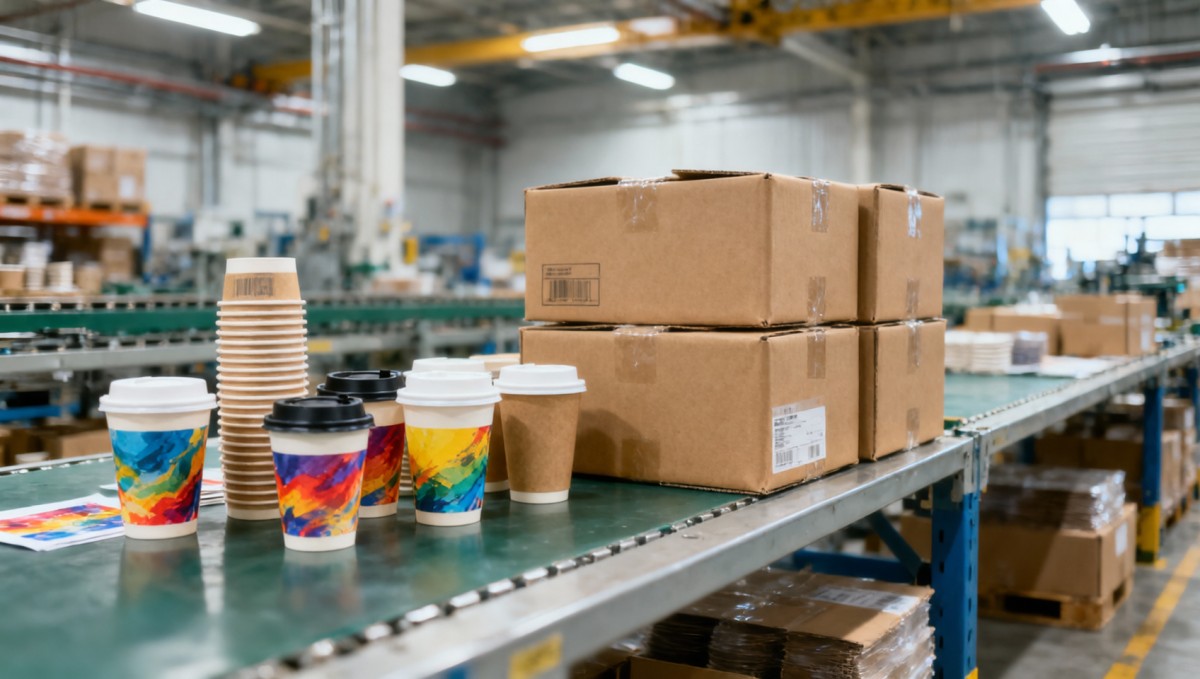
Choosing the right paper cup OEM partner can directly impact your cost, delivery schedule, and brand presentation.
Before placing an order, procurement teams need to evaluate MOQ, print quality, lid compatibility, and realistic lead times.
This checklist explains what to confirm early, so sourcing risks stay lower and communication with your supplier stays easier.
In the paper packaging business, small details often create large cost differences later.
A paper cup OEM project is rarely just about buying cups.
It also involves branding consistency, shipping efficiency, sealing performance, and supply reliability.
That is why a practical sourcing checklist matters before price negotiation begins.
Why a paper cup OEM checklist matters
A good paper cup OEM supplier should support more than production capacity.
You also need clear specifications, stable quality control, and export experience.
Without that structure, even a low quoted unit price can become expensive.
Common problems include over-ordering, color mismatch, leaking lids, and delivery delays.
These issues usually appear when requirements were not aligned at the quotation stage.
A paper cup OEM checklist helps you compare suppliers on facts, not assumptions.
What should be confirmed first
- Cup size, paper weight, coating type, and application use.
- MOQ by SKU, artwork, and packaging format.
- Printing method, color tolerance, and approval process.
- Lid fit across cup sizes and material combinations.
- Sampling schedule, production lead time, and export readiness.
MOQ: understand the real ordering threshold
MOQ is one of the first paper cup OEM topics buyers ask about, but it is often misunderstood.
The number is not only about factory policy.
It usually reflects raw material setup, printing plate cost, and packing efficiency.
In actual purchasing, the lowest MOQ is not always the best choice.
A very small run may push up your cost per cup sharply.
It may also limit your options for custom printing or retail-ready packaging.
Questions to ask about MOQ
- Is the MOQ based on one size, one design, or one full container mix?
- Does custom printing increase the MOQ?
- Can multiple cup sizes share one print run or paper specification?
- Is there a separate MOQ for sleeves, lids, or cartons?
- Will smaller trial orders have a setup surcharge?
A reliable paper cup OEM manufacturer should explain the logic behind the MOQ clearly.
That transparency helps you calculate landed cost and avoid slow-moving inventory.
From a cost perspective, it is useful to compare three scenarios.
- Trial MOQ for market testing.
- Standard MOQ for regular replenishment.
- Volume pricing for annual forecast orders.
This comparison gives a clearer picture than looking at unit price alone.
Custom printing: brand impact and quality control
Custom printing is where many paper cup OEM projects either succeed visually or create complaints later.
Printed cups represent your brand directly in cafes, takeaway counters, and retail channels.
So print accuracy should be treated as a commercial issue, not a cosmetic detail.
A strong paper cup OEM supplier should define artwork requirements before production starts.
What to confirm for printed cups
- Accepted artwork format and dieline template.
- Pantone or CMYK color reference.
- Printable area and seam overlap limitations.
- Approval method for digital proof and physical sample.
- Tolerance for color shift between batches.
In practice, bright colors, fine text, and dark solid backgrounds need extra attention.
These elements can expose variation more easily during high-volume production.
If your paper cup OEM order serves chain stores, consistency across shipments becomes even more important.
That also means the supplier should keep approval records and production references.
A simple print approval checklist
Lid fit: small mismatch, big operational problem
Lid fit is one of the most overlooked parts of a paper cup OEM order.
Yet it directly affects leakage, customer experience, and store handling speed.
Even a slight rim difference can create problems during busy beverage service.
This becomes more obvious when cups and lids come from different suppliers.
Key lid fit checks
- Confirm top diameter tolerance for each cup size.
- Test lid locking performance with hot and cold drinks.
- Check stackability and cup dispenser compatibility.
- Review sip hole design, venting, and travel use.
- Verify whether PP, PS, or paper lids are recommended.
A paper cup OEM supplier should be ready to provide matching lid options or fit test guidance.
That reduces the risk of complaints after distribution.
In foodservice channels, lid failure can damage both brand trust and outlet efficiency.
So sample testing should include real filling temperature and transport conditions.
Lead time: ask for the realistic schedule, not the ideal one
Lead time discussions often sound simple, but paper cup OEM production has several moving parts.
Artwork approval, raw paper sourcing, printing, forming, packing, and export booking all affect timing.
That is why a realistic timeline matters more than an aggressive promise.
Break the lead time into stages
- Artwork confirmation and proof approval.
- Sample preparation if required.
- Mass production scheduling.
- Packing, inspection, and loading.
- Shipping and destination customs clearance.
When reviewing a paper cup OEM quotation, ask whether the lead time starts after deposit or after artwork approval.
That one detail changes planning accuracy significantly.
It is also useful to ask about peak-season capacity and backup planning.
A dependable paper cup OEM partner should communicate possible delays early, not after your launch date is fixed.
Supplier evaluation beyond price
Price matters, but paper cup OEM selection should include operational and quality factors too.
A lower offer may hide higher freight cost, weak carton quality, or unstable production control.
Procurement decisions are stronger when the supplier review covers the full supply chain impact.
Useful evaluation points
- Manufacturing location and export support.
- Consistency of cup forming and sealing quality.
- Responsiveness during sampling and revisions.
- Ability to support OEM and private label programs.
- Documentation for food contact and shipment requirements.
For importers and distributors, regional manufacturing can also affect supply stability.
Malaysia is increasingly relevant for buyers seeking dependable paper packaging supply in Southeast Asia.
XG Paper Manufacturing Sdn. Bhd. manufactures disposable paper packaging products in Malaysia for global customers.
The company focuses on reliable manufacturing, consistent quality, competitive pricing, OEM support, and professional export coordination.
Final paper cup OEM checklist before order confirmation
Before confirming a paper cup OEM order, run through the full checklist one more time.
- MOQ matches your forecast and inventory plan.
- Custom printing details are approved in writing.
- Cup and lid compatibility has been tested physically.
- Lead time includes approval, production, and shipping stages.
- Packing method suits warehousing and distribution needs.
- Commercial terms, payment terms, and shipment documents are clear.
A paper cup OEM project moves more smoothly when expectations are specific from the start.
That reduces avoidable revisions, protects your launch schedule, and improves total sourcing efficiency.
If you are evaluating a Malaysian manufacturing partner for disposable paper packaging, this is the right stage to compare details carefully.
A clear conversation on MOQ, custom printing, lid fit, and lead time will usually tell you whether the supplier can support long-term growth.